


Funds
- Canada Life Canadian Focused Growth: mutual fund
- Global Growth Opportunities: segregated fund
- Canadian Focused Growth: segregated fund
Fonds
(Runtime: 5:00. Read the audio transcript.)
**
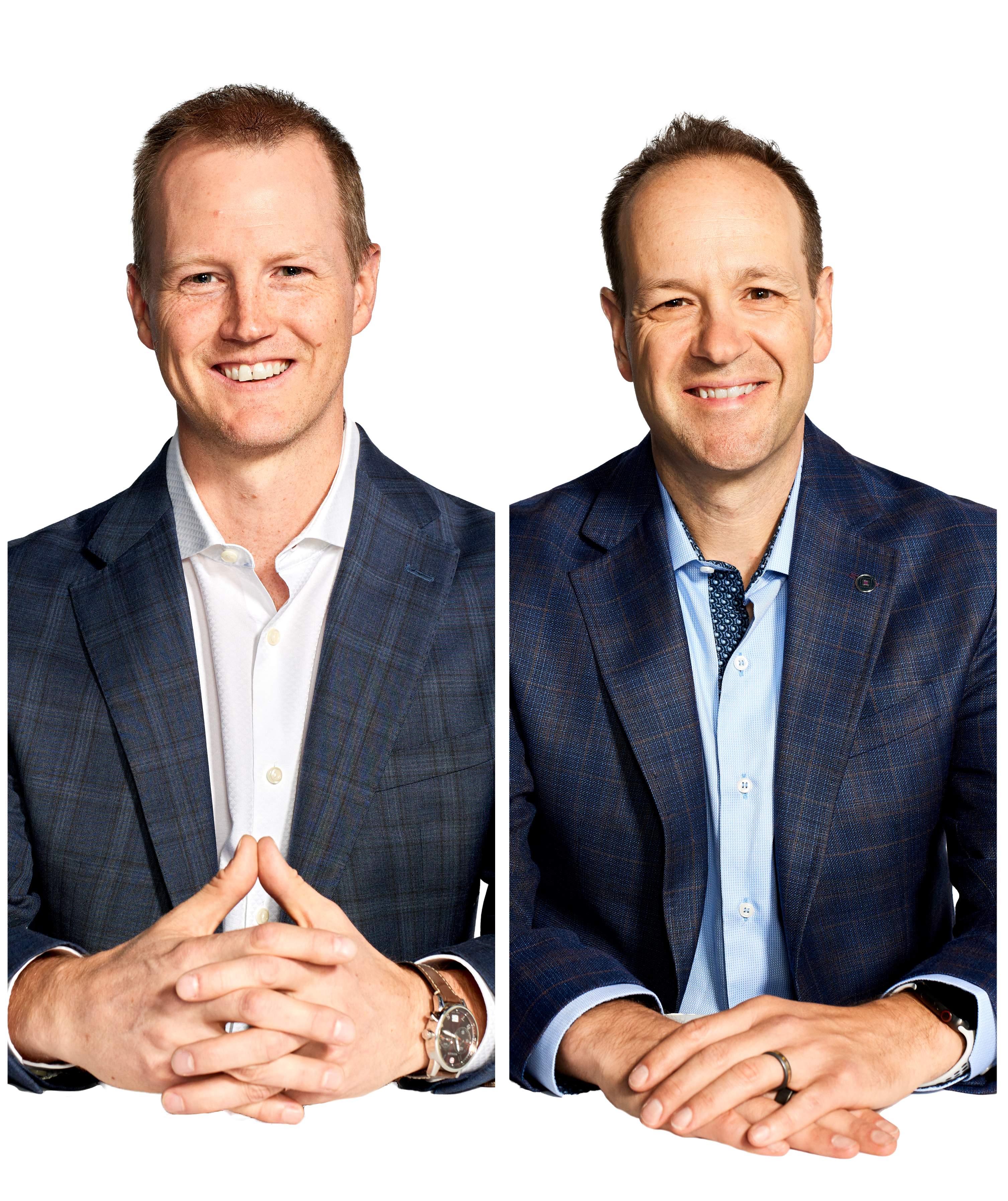
The current artificial intelligence (AI) bubble could burst if investors fail to appreciate the time it takes for new technology to find its place in society, a duo of portfolio managers with the Mackenzie Bluewater team at Mackenzie Investments warn.
In a conversation on the latest episode of the Soundbites podcast, Tyler Hewlett and Dave Taylor said investor impatience has led to tech sell-offs in the past. Investors need to stay invested during the sometimes lengthy “digestion period” to maximize returns.
The tech bubble of the late 1990s, which burst in the early 2000s, is relevant to the current moment, Hewlett said.
“We had a bubble because people got really excited. The bubble burst, because it took a long time for things to play out. And that is the cautionary tale for what we’re seeing right now,” he said. “I think we can draw some really important lessons from that.”
The development of the internet was every bit as revolutionary as visionaries predicted, Hewlett said.
“But you still had a digestion period. You had a bubble in the investment markets. And the reason why was because you had things play out either differently or that took longer to play out than people thought at the time,” he said.
E-commerce, for example was not profitable out of the gate.
“It took Amazon 10 years to figure out how to get [products] to your door in a timely and cost-effective manner,” Hewlett said.
The iPhone, which helped make the internet more accessible and was the most successful consumer product in history, didn’t come out until 2007 — seven years after the bubble burst.
“We’re seeing a few companies now spending into the hundreds of billions of dollars to build out a similar type of infrastructure. And the use cases right now, on a day-to-day basis, aren’t really there,” Hewlett said. “And if they don’t show up quickly, then you could have some of the same digestion issues that we saw in 2000.”
There are plenty of good investment prospects in the generative AI theme — an extension of the digitization trend, which has been hot for the past decade or so, Taylor said. Among them, he gravitates to software over hardware companies.
“The growth is more steady. Growth rates can trend higher or lower, but generally they’re not very volatile,” he said. “There are some structural drivers, because the revenue is very recurring in nature.”
Hardware companies, on the other hand, face larger infrastructure costs and can be dramatically affected by supply chain disruptions and fickle consumer preferences.
“We don’t completely avoid hardware companies, but we tend to look for hardware companies that are a little easier to predict, that don’t follow, like, the big boom-and-bust swings that semiconductors have in the past,” Taylor said.
He also looks for dominant global leaders.
“In many cases, they’re monopolies. They’re oligopolies, they’re businesses with network effects. They have pricing power,” he said, describing them as “enablers” that will win with less risk as the theme develops.
An example is California-based Cadence Design Systems, which Taylor describes as “incredibly well-positioned” with subscription-based recurring revenue and few competitors.
California-based ServiceNow and Dublin-based Accenture plc also use subscription models to create recurring revenue, keep competitors at bay and grow at a steady pace as technology improves.
Investors in the tech space need to keep an eye on both hardware and software opportunities, but accept that use-cases will emerge in their own time, Hewlett said.
“While we do believe in AI over the very long term, it’s hard to see what is going to completely change everything to the point that it becomes necessary for every corporation and person to adopt it very quickly,” he said. “These things take time.”
Technology is increasingly important, both from a societal perspective and from an investment-return perspective, Hewlett said.
“We don’t think that’s going to stop. Technology only moves forward. It only gets better. We can’t imagine a world where it plays less of a role in our lives than it does today,” he said. “But you do have to be careful as an investor, because it is an exciting area that is prone to lots of hype.”
Investors need to review company fundamentals carefully, Taylor said.
“Everything for us is underpinned by free cash flow,” he said. “Companies that can use their free cash flow and build it and grow it over time, there’s a long runway for these types of businesses.”
**
This article is part of the Soundbites program, sponsored by Canada Life. The article was written without sponsor input.