
Funds
- Canada Life Risk-Managed Conservative Income Portfolio: mutual fund
- Risk-Managed Growth Portfolio: segregated fund
- Risk-Managed Balanced Portfolio: segregated fund
- Canada Life Risk-Managed Growth Portfolio: mutual fund
- Canada Life Risk-Managed Balanced Portfolio: mutual fund
- Risk-Managed Conservative Income Portfolio: segregated fund
Fonds
(Runtime: 5:00. Read the audio transcript.)
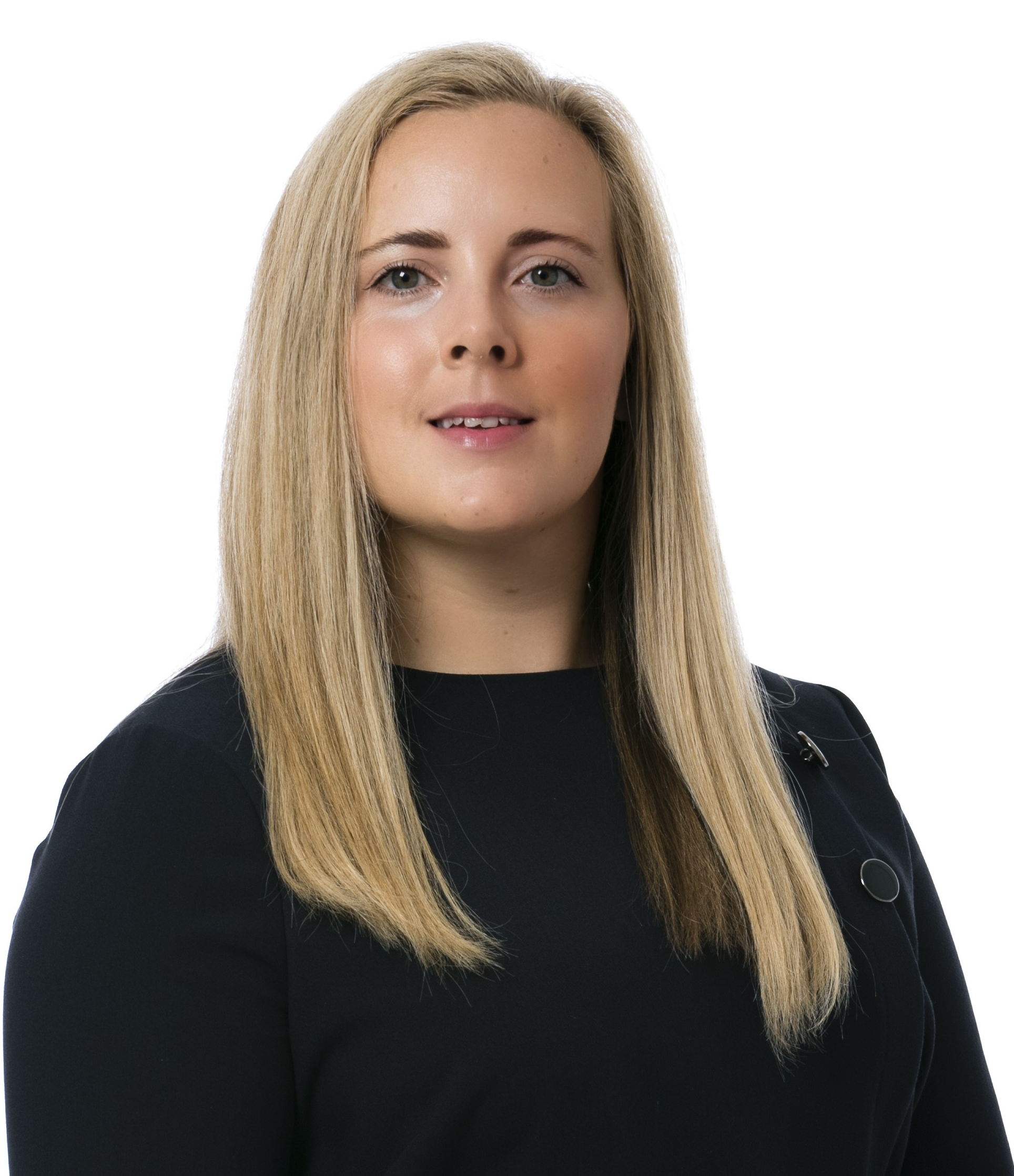
In the face of geopolitical upheaval, investors should stay disciplined, diversified and focused on the longer-term investment thesis, says Leonie MacCann, head of multi-asset solutions for Keyridge Asset Management.
Speaking on the Soundbites podcast, MacCann said it is important to focus less on headlines and more on whether geopolitical developments materially alter fundamentals such as earnings, growth, liquidity or inflation.
While geopolitical events often create short-term volatility, MacCann said they rarely derail markets unless they trigger sustained economic shocks.
There is, however, greater risk of a policy mistake when there is a sustained economic shock — particularly involving energy, inflation or supply chains.
In the case of the U.S.-Iran conflict, her base case is there will soon be a political resolution and the Strait of Hormuz will reopen.
“If you were to see this more benign scenario coming through, we think you would see oil coming back down to around $85 to $90 a barrel. So still higher than pre-conflict, but these are much more manageable levels, and I think inflation and growth fears will fade away,” she said.
When trying to distinguish between geopolitical noise and risks that alter the investment thesis, her key question is always, does the event change the fundamentals for companies?
“Markets are continually seeing geopolitical headlines, but most haven’t materially altered earnings, liquidity, growth or the long-term direction of the economy,” she said. “And that’s what you’ve really been seeing in the market recently. You’re seeing strong and robust earnings.”
As evidence that markets remain fundamentally resilient despite geopolitical tensions, she pointed out that Q1 2026 has seen about 80% of S&P 500 companies reporting a positive earnings surprise, and the earnings growth for the quarter is currently running at a rate close to 28%.
On fixed income, she said bond markets are currently more cautious than equity markets. While equities are rallying on strong earnings and AI-driven growth, bond investors are focused on the risk that prolonged higher oil prices could fuel inflation or stagflation and keep central banks in “wait-and-see” mode.
“There will always be volatility in markets, whether that is driven by geopolitical noise or other noise. But to manage this, we really come back to our core belief in having a long-term focus to try and help you look through that noise and build resilient portfolios,” she said.
Maintaining a long-term focus and broad diversification are key parts of that.
“Correlations can temporarily move towards 1 during acute risk-off periods, but diversification still matters in these kind of environments because different assets will recover differently and respond differently as shocks evolve,” she said.
She looks for opportunities in different regions, asset classes, sectors and investment styles.
“What matters is not just about having more assets in your portfolio, but it’s really trying to make sure that you’ve got genuinely differentiated return drivers, because in a more fragmented world, deep diversification and risk management become even more important,” she said.
MacCann said when advisors are talking to clients, it is important to acknowledge uncertainty without amplifying fear.
“The world is becoming more geopolitically complex, not less,” she said. “Investors need portfolios that are built for resilience.”
**
This article is part of the Soundbites program, sponsored by Canada Life. The article was written without sponsor input.