
Funds
Fonds
(Runtime: 5:00. Read the audio transcript.)
**
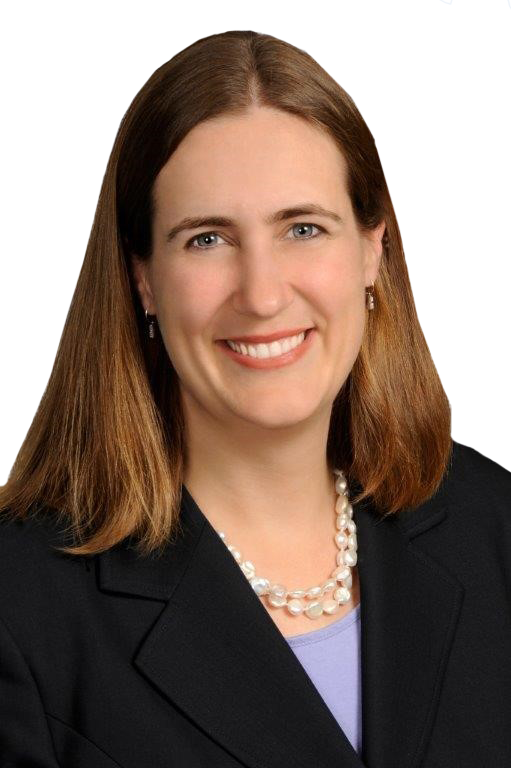
The economic environment and a reset in growth expectations have created favourable conditions for bond investors, says Katie Klingensmith, senior vice-president, investment specialist with Brandywine Global Investment Management.
She said bond rates are historically high, and a potential regime change makes them even more attractive.
“If you follow our logic — that inflation is coming back down and unlikely to remain far from the Fed’s target long term, and that growth is unlikely to return to the same levels that we saw over the last couple of decades — we really see a lot of value in locking in some of that duration,” she said.
Klingensmith said bond markets have moved quickly over the past few months, repricing a more optimistic view of the U.S. economy and potentially adding some term premia to reflect expected slightly higher real rates.
“From our perspective, it’s actually a really interesting time to be buying bonds,” she said.
High-quality government debt is particularly appealing, she said, but conditions also look promising on the corporate side.
“So long as the economy still has some momentum, there are very interesting opportunities to lend to any number of different sectors,” she said. “There might be a lot of volatility, given the quantity of uncertainties in the macro outlook. But there also are opportunities that have not existed in a generation or two in actually finding attractive total return in the fixed-income market.”
She cautioned, however, against going “too far down the credit quality stock” because macro headwinds and rate uncertainty could threaten the solvency of some corporations and could widen spreads.
“We like higher-quality credit, including in the high-yield space, but still on the higher-quality side of high yield,” she said. “And we like to keep duration relatively short in that credit exposure because we think that rates are more attractive, we’ll see a little bit less volatility, and we’re compensated for holding them for short periods of time.”
The U.S. economy has been remarkably resilient in the face of global economic difficulties, she said, in part because many homeowners were protected from rising interest rates, having locked their mortgages in for long terms while rates were still ultra-low.
Furthermore, consumers banked a lot of stimulus money during Covid and began spending it when the economy reopened.
“For the past year we’ve had this massive fiscal tailwind, even after the government distributed that money,” she said.
She cautioned, however, that credit conditions are starting to tighten, with predictable consequences.
“We’re beginning to see real weakness in the household sector, through things like elevated credit card delinquencies, through things like a real lack of savings. And we’re beginning to see some weakness in the job market,” she said. “From here forward, we think we’ll see a lot more impact of those higher rates.”
The American economy is facing other obstacles as well, she said.
“It’s not just interest rates. It’s also the fact that the dollar is quite expensive, which additionally is restrictive to the U.S. economy,” she said. “The real question is understanding at what point the real economy starts to feel that restrictive monetary policy.”
While the Federal Reserve Board has committed itself to data-dependent interest rate moves, Klingensmith fears the data will emerge so slowly that the Fed overshoots the optimal rate setting.
“There’s a real risk that the Fed keeps rates too high for too long, and in fact we do see inflation overshoot and we could get into a period of disinflation or even temporary deflation,” she said.
As for the possibility of recession, Klingensmith said her team has been in the “cautious” camp for some time now, largely because the economic situation is unique, with the central bank exiting from quantitative easing after having raised rates significantly and reducing the balance sheet relatively quickly.
“We worry that we could see something break,” she said. “We don’t say that for sure there will be a recession, but we think the potential for a rather rough landing is still very real, and that we need to be prepared for it, especially in our fixed-income portfolios.”
**
This article is part of the Soundbites program, sponsored by Canada Life. The article was written without sponsor input.