

Funds
Fonds
(Runtime: 5:00. Read the audio transcript.)
**
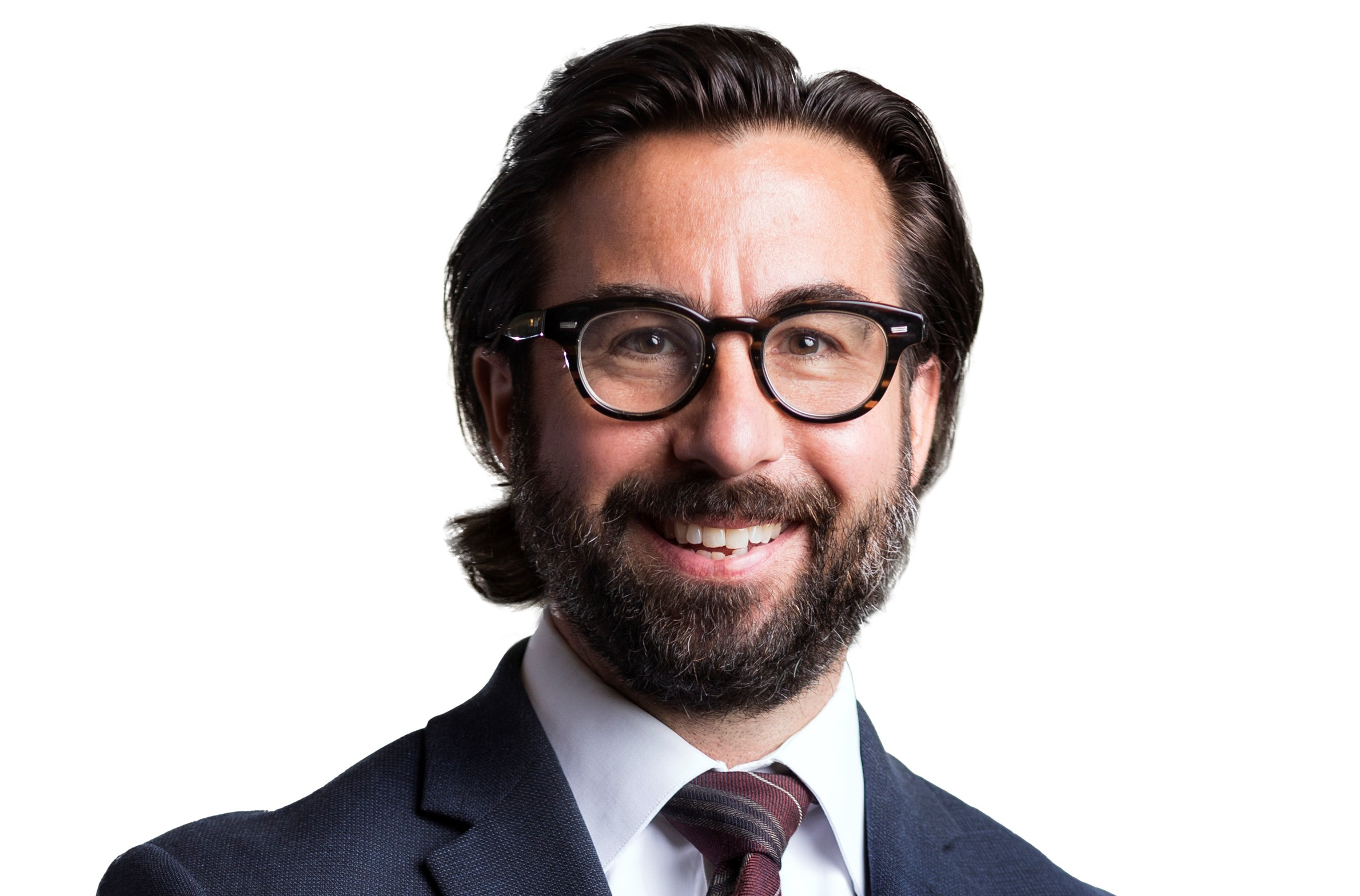
A diversified portfolio that blends passive and active strategies and stays aligned to clients’ long-term goals is one of the best ways to manage uncertainty and build resilient wealth, says Chris Koltek, institutional client portfolio strategist with Portfolio Solutions Group.
“I think the narrative for a long time has been, ‘Hey, are you active or are you passive?’ And I think the shift that we’re seeing in the markets now is that passive is becoming a tool,” he said. “Instead of having to choose between active and passive, people are incorporating both.”
Speaking on the Soundbites podcast this week, Koltek said passive investing doesn’t have to be a rigid philosophy.
“It’s not about being passive in your thinking,” he said. “In fact, a thoughtful use of passive strategies requires active decisions about where, when and how to apply them.”
He said the real power of the passive model is in combining it with active choices.
“There’s no magic formula or correct percent of active and passive or a one-size-fits-all approach,” he explained. “It’s about purpose, not percentages: the purpose and objectives of each client.”
The passive investing model, which is typically characterized by buying diversified index-following ETFs, offers three key benefits, he said: low cost, strong diversification and transparency. Furthermore, it can be used as a core building block for portfolios, to effect tactical tilts within a portfolio, or as part of a core satellite approach utilizing a blend both active and passive strategies.
“All of these approaches provide a cost control, transparency, liquidity and precision in asset allocation,” he said, adding that the current economic moment presents opportunities for both passive and active management.
“Passive investments can act as a fast tool for repositioning in a market that shifts quickly,” he said. “But they also come with some important trade-offs or risks.”
Concentration risk, for example, exposes investors to big market corrections.
“When a few big companies dominate the index, a passive portfolio can become more fragile than it seems,” he said. “And in times of stress, those big stocks can fall together, dragging the index down and reducing the benefits of diversification.”
Passive funds don’t distinguish between cheap or expensive stocks, he said. They simply follow the index, which means they often overweight overvalued companies and underweight undervalued ones.
“A strong advisor can help the client articulate their investment goals, the risks and constraints for their portfolios, and put together an approach that makes sense for the individual client,” he said.
“Clients and advisors must look where they believe a manager can add skill and add value, which markets are efficient and where it makes sense to pay for performance or risk management. When every fund in the portfolio, active or passive, has a clear role and earns its place, then you have the right mix for that client.”
**
This article is part of the Soundbites program, sponsored by Canada Life. The article was written without sponsor input.