

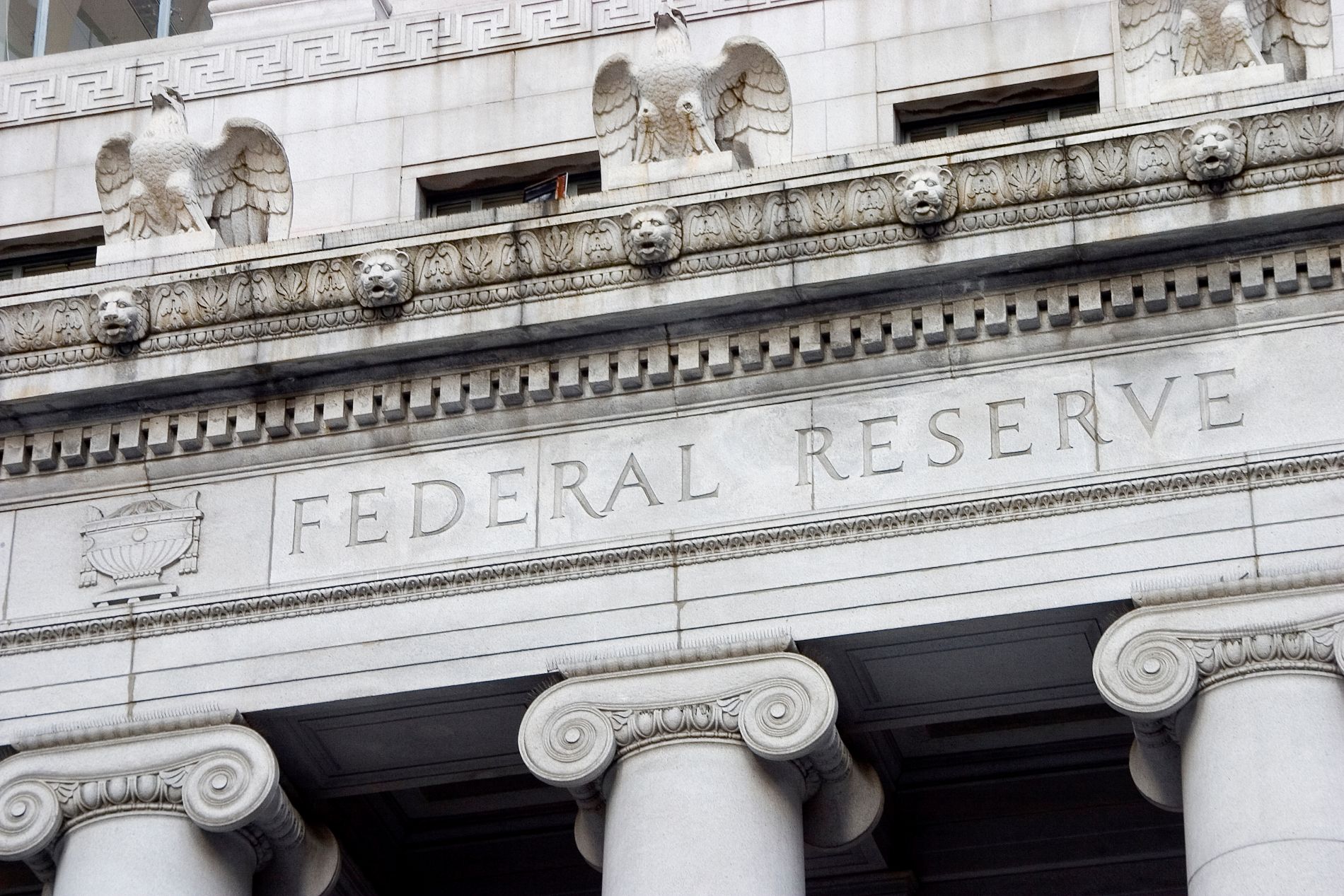
Elevated uncertainty has become a fact of life in macroeconomics and geopolitics over the past couple of years — add U.S. monetary policy to that list — with the new leadership at the U.S. Federal Reserve Board leading an apparent return to a pre-financial crisis approach to rate setting, says Moody’s Ratings.
In a new report, the rating agency said that the first decision on interest rates from the Fed under the new chairmanship of Kevin Warsh — which was handed down last week — signalled a shift toward less forward-looking guidance and prioritizing policy flexibility.
“The June statement was brief and did not offer a meaningful steer on the future path of rates,” Moodys noted.
“That in itself was notable. Financial markets have grown accustomed to such signals from the Fed, with forward guidance used as a central tool to manage expectations and reduce uncertainty,” it said.
Additionally, the post-decision press conference also suggested that the Fed is taking a step back from that approach.
“Warsh’s message that markets should respond to incoming data and not try to infer policy from an expanding set of Fed signals could raise the possibility of policy surprises,” the report said.
“This stance leans toward a more traditional, pre-global financial crisis approach to central banking, with shorter statements, fewer explicit promises and an emphasis on maintaining optionality,” it said.
Alongside the new approach to policy guidance, the Fed also announced the creation of five new task forces to review various aspects of its operations, which could result in more fundamental changes to the Fed’s operational and analytical framework, Moody’s noted.
For instance, the planned reviews of government data use and the inflation framework “will be pivotal in shaping the future course of monetary policy,” it said.
Additionally, balance sheet policy might also be revised under the new regime.
“Any changes could influence money-market functioning, the level of reserves, term premia and the structure of demand for duration,” it said.
Against that backdrop, Moody’s said that it expects “elevated uncertainty around the Fed’s reaction function to persist until the task force reviews conclude, keeping rate volatility and term premia under upward pressure.”
Overall, this new approach of less forward guidance, and more data-dependent rate decisions, points to “higher rate volatility and wider term premia,” Moody’s said.
And, given prevailing inflation data, it’s expected that rates will likely remain higher for longer.
“Lower-rated and refinancing-heavy borrowers are most exposed, particularly speculative-grade corporates, leveraged loans and commercial real estate issuers with near-term maturities. Investment-grade and sovereign issuers remain insulated near-term, but a higher-for-longer path tightens financial conditions at the margin,” it said.